After a cremation, families are faced with another decision: what happens to the ashes?
Some people know exactly what they want to do. They may have talked about it with the person who died, chosen a favourite place or already have a family grave where the ashes will eventually be laid to rest.
Others take them home and decide later.
And some ashes are never collected at all.
There is no rush to make a deeply personal decision, but it can help to understand the choices available.
When are ashes available after a cremation?
At Wigan Crematorium, ashes are usually ready for collection within 48 hours or two working days and are released with a certificate of cremated remains.
Depending on the arrangements made for the funeral, they may be collected by the family or by the funeral director on their behalf.
You do not have to decide immediately what you want to do with them.
For some families, taking the ashes home for a while feels right. Others prefer to make arrangements for them to be scattered, buried or placed somewhere permanent fairly quickly.
Can you keep ashes at home?
Yes.
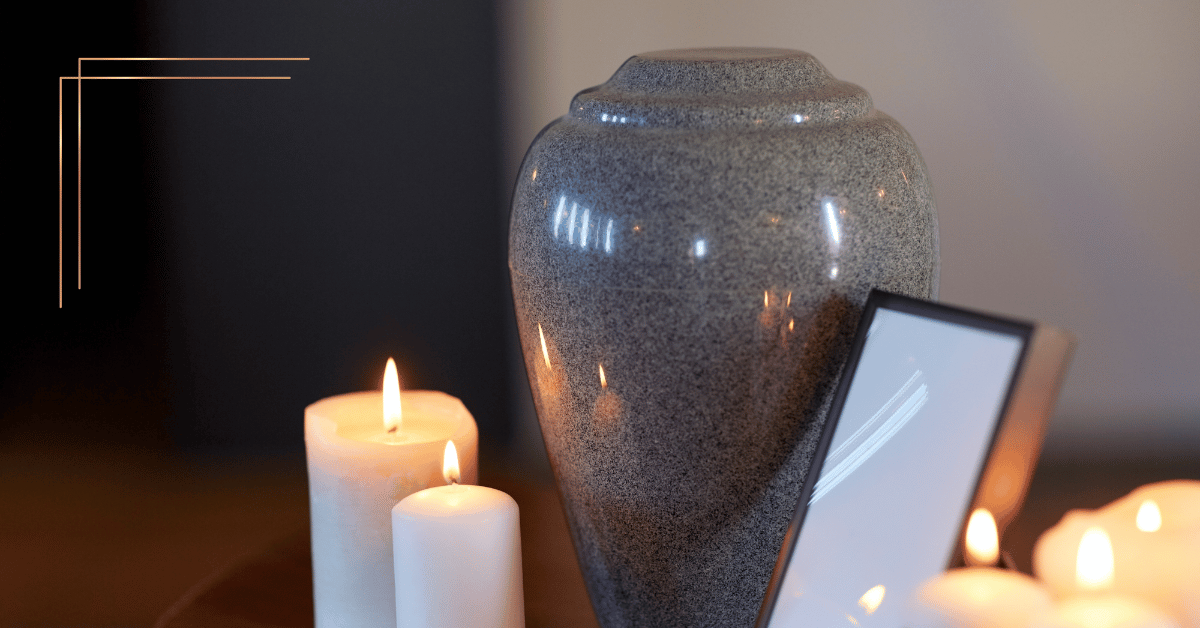
Many families choose to keep ashes at home, either temporarily while they decide what they would like to do or permanently in an urn or casket.
For some people, having their loved one close brings comfort.
Others find they would prefer somewhere they can visit outside the home.
There is no right answer; it comes down to what feels appropriate for you and your family.
Can ashes be scattered?
Ashes can be scattered in many different places.
That might be somewhere meaningful to the person who died, on private land with the landowner’s permission, or in a dedicated Garden of Remembrance.
Wigan’s cemeteries include designated areas where cremated remains can be scattered, providing families with somewhere they can return to reflect and remember.
If you are considering scattering ashes somewhere special, it is always worth checking whether permission is required first.
And there is another thing worth thinking about.
Once ashes have been scattered, that decision cannot easily be reversed.
Some families therefore choose to keep a small amount back or select a permanent memorial alongside the scattering.
Can ashes be buried?
Yes.
Cremated remains can be buried in a dedicated cremation plot, an existing family grave where permission and space allow, or another suitable burial place.
Wigan Council offers graves specifically for cremated remains, and ashes can also be interred in some existing graves.
This can appeal to families who want a permanent place to visit and somewhere that can be marked with a headstone or memorial.
Varty’s monumental masonry team can also help families explore memorial options and explain what may be suitable for a particular cemetery or burial place.
What other memorial options are available?
There are far more choices available today than many people realise.
Across Wigan, options include cremated remains vaults, memorial tablets, plaques, benches, Books of Remembrance, remembrance trees and Gardens of Remembrance.
A columbarium is another option. This is a permanent memorial structure containing individual spaces where urns or caskets of ashes can be securely placed.
Wigan Crematorium and several local cemeteries now offer cremated remains vaults of this kind.
Some families choose a traditional memorial.
Others want something very simple.
The important thing is finding something that means something to the people left behind.
What if you are not ready to decide?
Then don’t.
Grief does not work to a timetable, and there is no requirement to make every decision immediately after the funeral.
You might collect the ashes and keep them safely while you think.
You may want to involve other members of the family.
Perhaps an anniversary, birthday or meaningful date will feel like the right time to scatter or bury them.
It is perfectly reasonable to take some time.
What happens when ashes are never collected?
This happens considerably more often than many people realise.
Sometimes families cannot agree what should happen.
Contact details change, relationships break down or people move away.
A family may simply find collecting the ashes emotionally too difficult and continue putting it off.
Whatever the reason, funeral directors can end up caring for ashes for years.
The scale of the issue has become significant enough for the Law Commission to include it in its recent review of burial and cremation law.
It says funeral directors currently hold hundreds of thousands of sets of uncollected ashes and, under the existing law, cannot simply decide to scatter or bury them.
The Commission has recommended a new formal process which would allow funeral directors to return long-term uncollected ashes to the crematorium, but only after following safeguards designed to protect families and friends.
Those proposals are now for Government to consider.
It is a side of funeral care most families never have reason to think about, but every set of ashes represents somebody who was loved and deserves to be treated with respect.
You can change your mind
One of the useful things about taking time is that you do not have to know immediately what the final memorial will look like.
An urn kept at home today could eventually be buried in a family grave.
Ashes could later be placed within a memorial.
A family might decide several years later that they are finally ready to scatter them somewhere meaningful.
What matters is making a choice that feels right rather than feeling pressured to make a quick decision.
Need help deciding what to do with ashes?
Varty’s has been supporting Wigan families through these decisions since 1936.
If you are unsure what to do with your loved one’s ashes, you can talk to us.
We can explain the options available locally, help with arrangements for scattering or burial and talk you through permanent memorial choices through our monumental masonry service.
Sometimes families arrive knowing exactly what they want.
Sometimes the conversation starts with:
“We honestly don’t know.”
That is absolutely fine too.